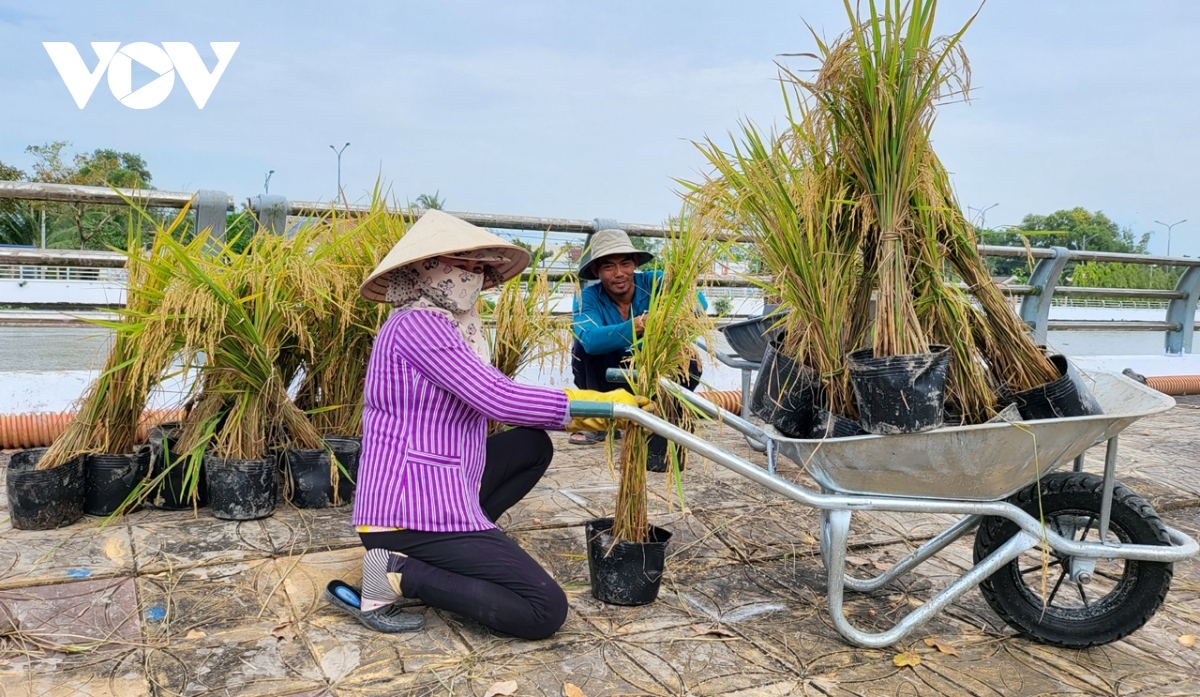
The occasion is expected to provide visitors with greater insights into the past, present, and future of the Vietnamese agriculture and rice industry. Currently, farmers in the locality are urgently completing the Vietnam Rice Road.
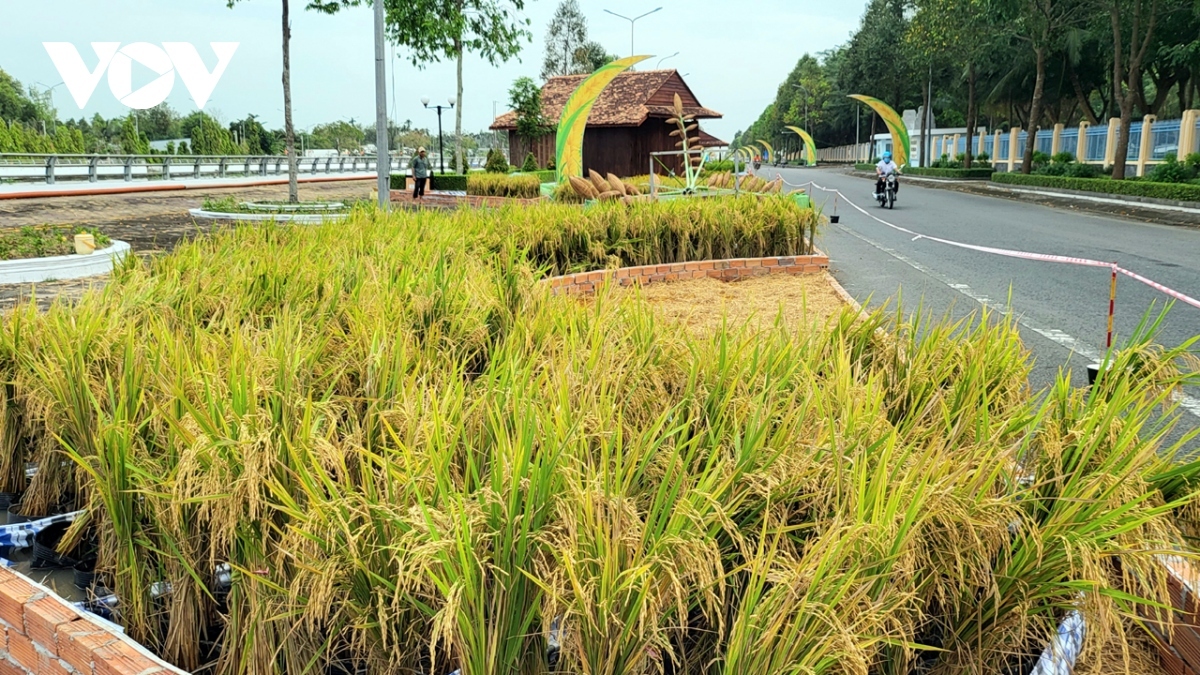
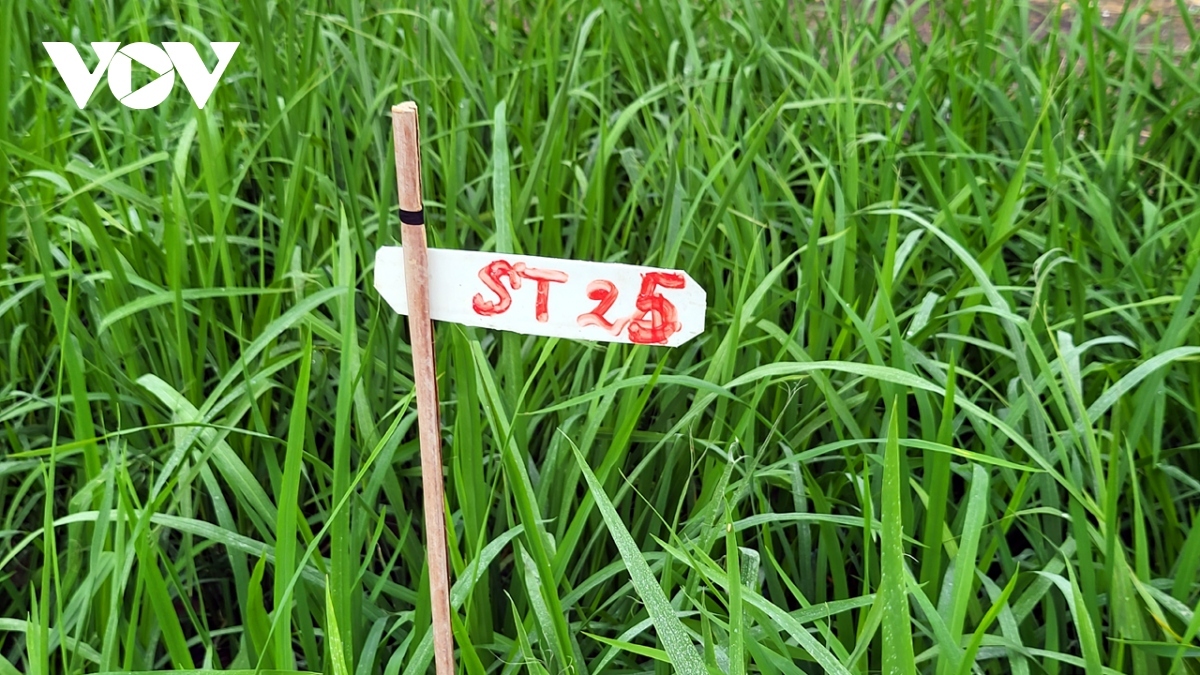
The rice plants are put on display at the event. There are many rice varieties showcased on the road, including IR50404, OM 5454, Dai Thom 8, and ST 25.
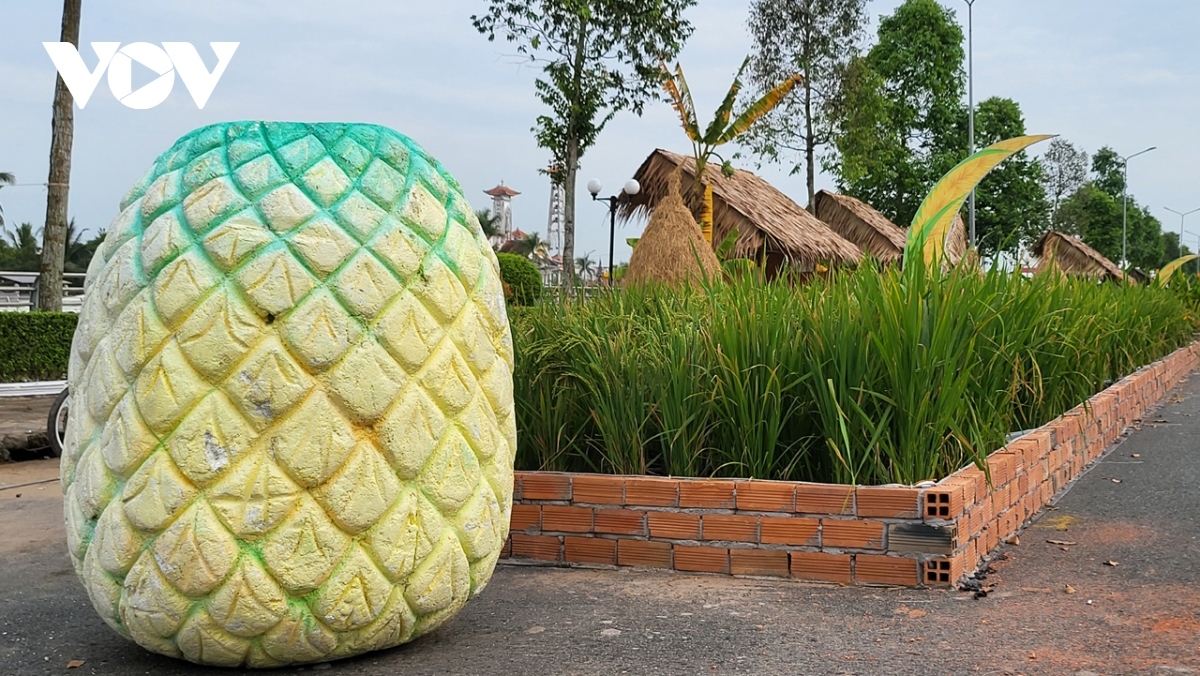
Various types of specialty fruit trees of Hau Giang are also showcased throughout the road.
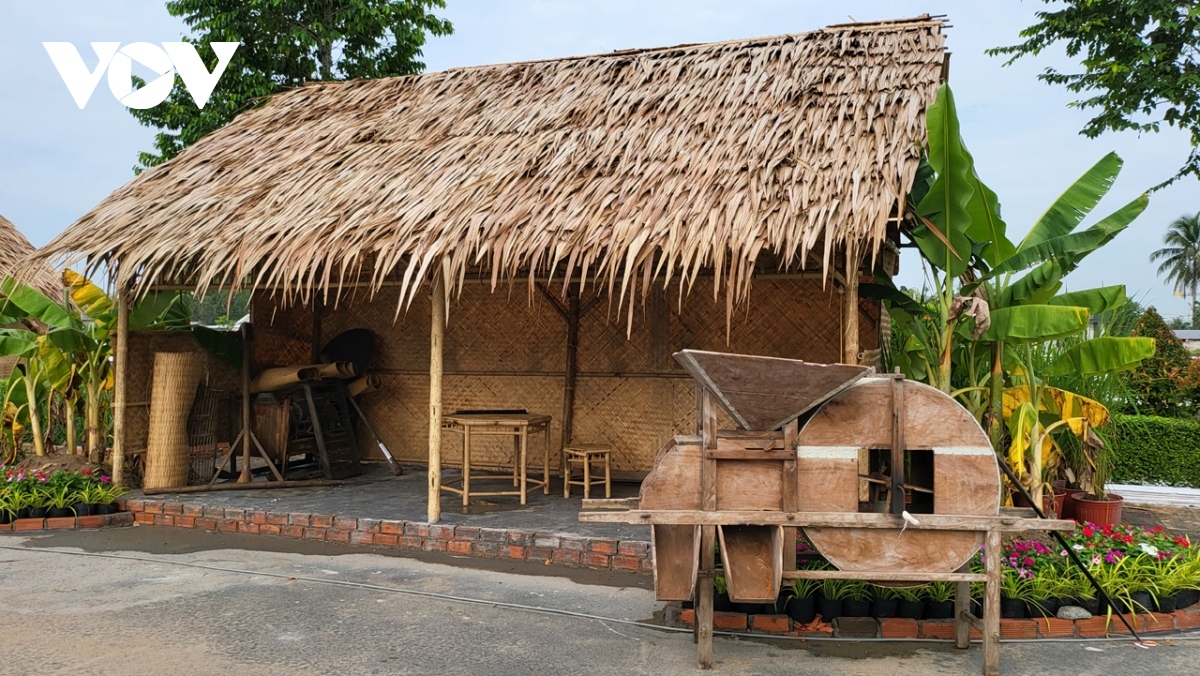
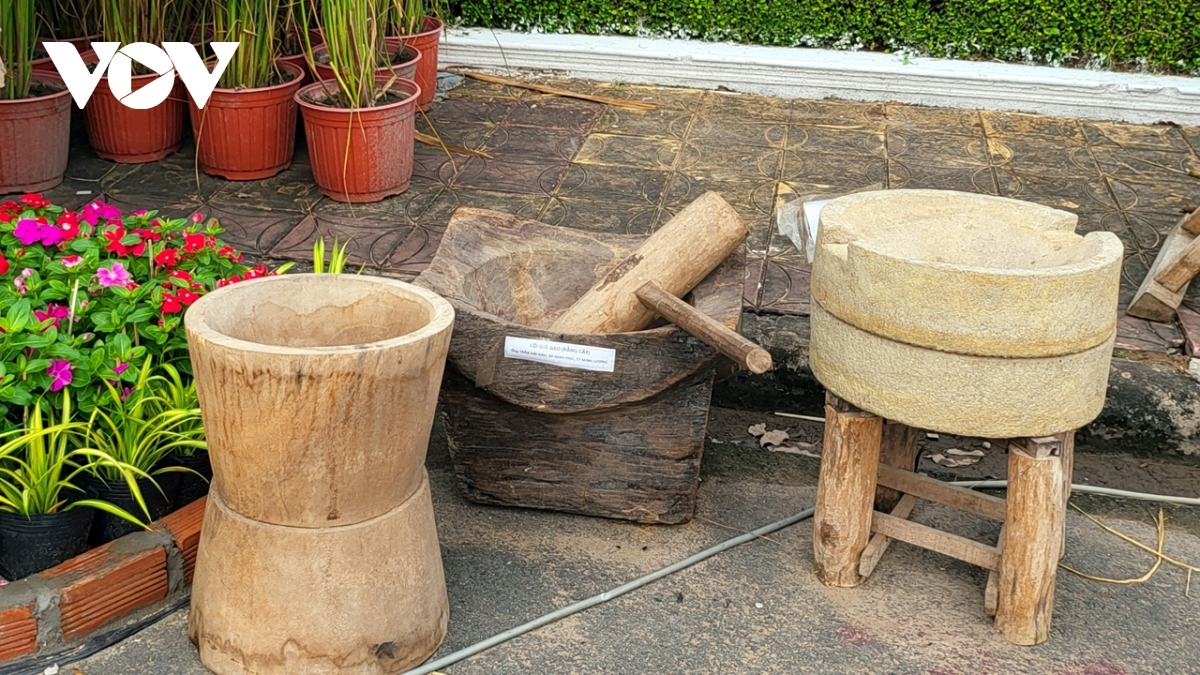
Ancient houses are made of bamboo, thatched with leaves and tools related to rice.
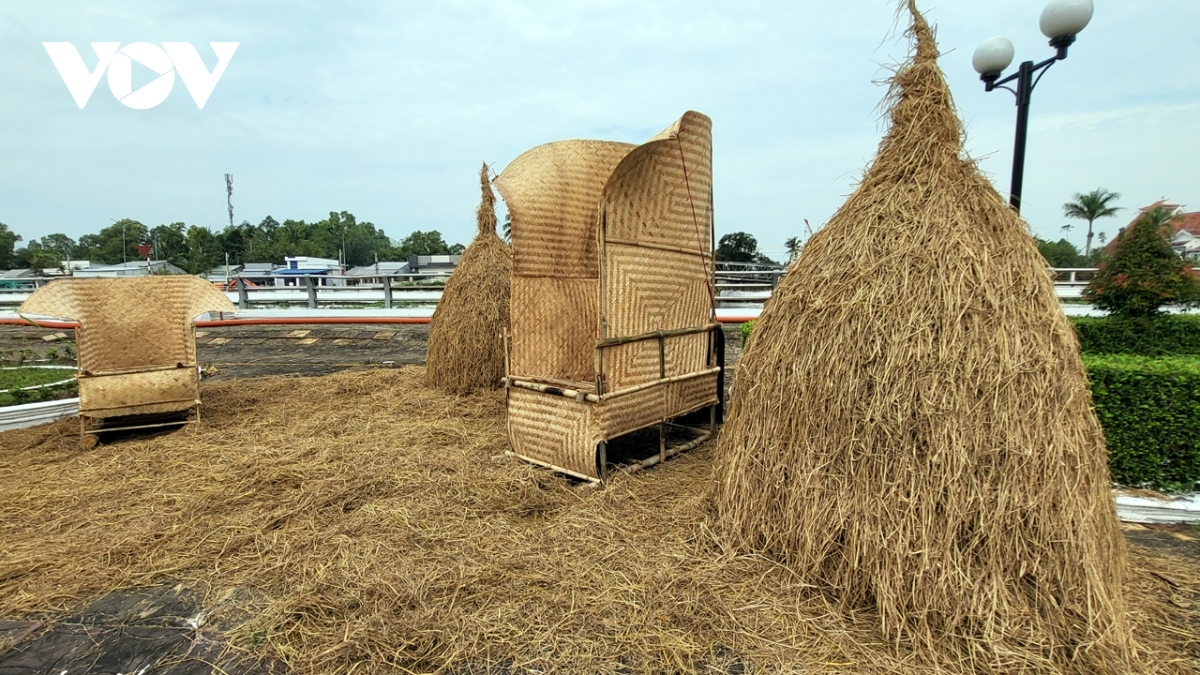
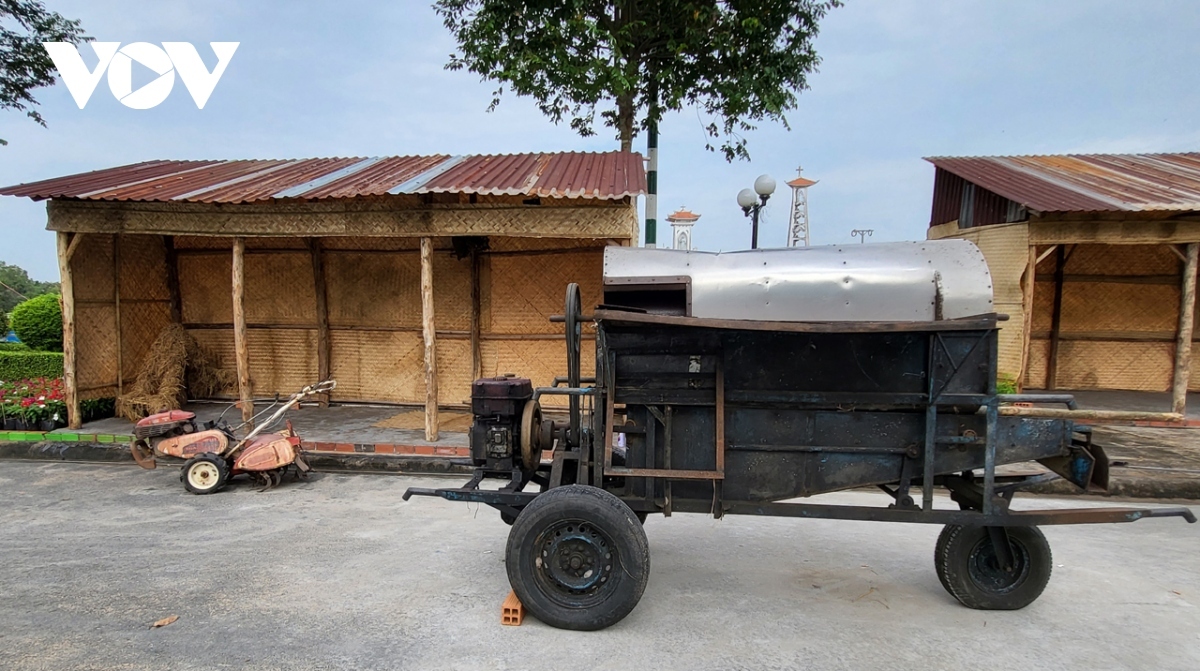
Images of threshers and straw pillars are recreated on the rice road.
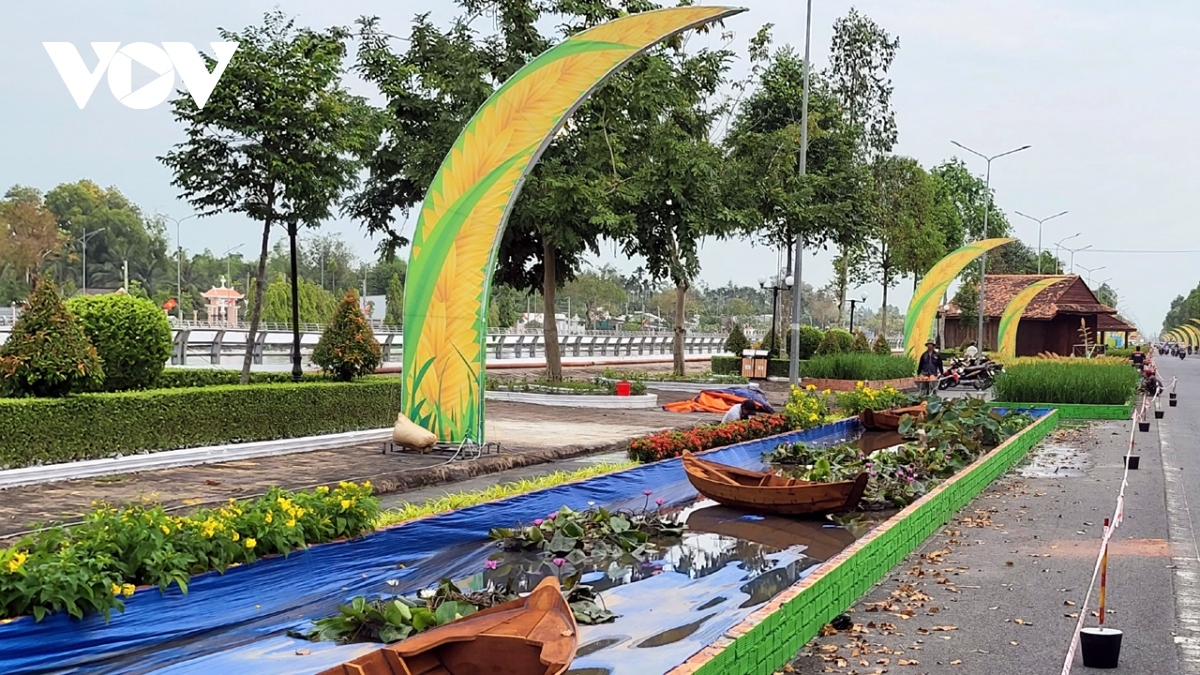
.Canals and ditches in the Mekong Delta with water hyacinths, water lilies, and boats also appear on the rice road.
After manual rice harvesting, the development step in the rice production process of local residents in the Mekong Delta is to have threshers and plows. Hau Giang province has also launched the Xa No tourist boat which can promptly serve people, especially tourists visiting Hau Giang province as part of the occasion.
The Ministry of Culture, Sports, and Tourism recently signed a decision to recognize the making of chili salt in Tay Ninh Province as national intangible cultural heritage. As of 2022, 37 facilities across Tay Ninh had registered their chili salt trademarks, according to the provincial Department of Culture, Sports, and Tourism. The main ingredients to make this salt include salt, chili, garlic, monosodium glutamate, lemongrass, and dried shrimp. Tay Ninh chili salt is served with fruits. Photo: Duyen Phan / Tuoi Tre The chili salt is often served with various types of tropical fruits to enhance their flavors. The profession of making chili salt is the eighth cultural heritage of Tay Ninh to be recognized as national intangible cultural heritage. The remaining cultural heritages include Don Ca Tai Tu (Southern Folk Music), Ky Yen Festival, the making of Trang Bang dew-dried rice paper, the worship of Saint Linh Son on Ba Den Mountain, and the art of cooking ...
The Vietnam National Fine Arts Museum in Hanoi is currently hosting the fourth solo exhibition of esteemed Vietnamese artist Nguyen Ngoc Phuong. Entitled “Heafod”, this captivating exhibition will be open to the public until July 31. The exhibition, titled “Heafod,” is on display at the Vietnam National Fine Arts Museum until July 31. Photo courtesy of the museum The exhibition showcases a collection of 19 of Nguyen Ngoc Phuong’s latest works, providing a thought-provoking exploration into the complexity of the human soul, disinterest and/or ontological uncertainty, and existential anguish. According to esteemed art critics, “The Heafod” is a pivotal work in Phuong’s innovative approach to visual art. Her paintings intricately combine spontaneous and deliberate elements, resulting in a captivating interplay of accidental and purposeful marks. These marks evolve over time, gaining intensity and intention akin to scratches and cuts on the skin. The Heafod Exhibition Ex...
“Vietnamese calligraphy nourishes my soul” Jean Sébastien Grill’s calligraphy booth is named Truong Giang. “Truong Giang is my Vietnamese name, given by a friend. Giang has the same pronunciation as Jean. Truong Giang means a long, healthy life,” said Jean. Jean has studied Vietnamese for 7 years and lived in Vietnam for 6 years. Before coming to Vietnam, he worked as a graphic designer and studied oriental medicine, massage and acupressure to help friends and colleagues suffering from spine problems. Jean married an overseas Vietnamese in 2006. On their first trip to Hanoi, they were so impressed by the bustling sidewalks and folk medicine that they return to Vietnam every year to travel and learn more about Oriental medicine. Jean, his wife, and their children moved to Vietnam in 2015, when he was introduced to Vietnamese calligraphy. “I knew about Korean, Chinese, and Japanese calligraphy long before but when I learned that Vietnam also has this kind of art, I signed up for cl...


Comments
Post a Comment